

Western Washington Weather Update — Flood Recovery & Winter Support
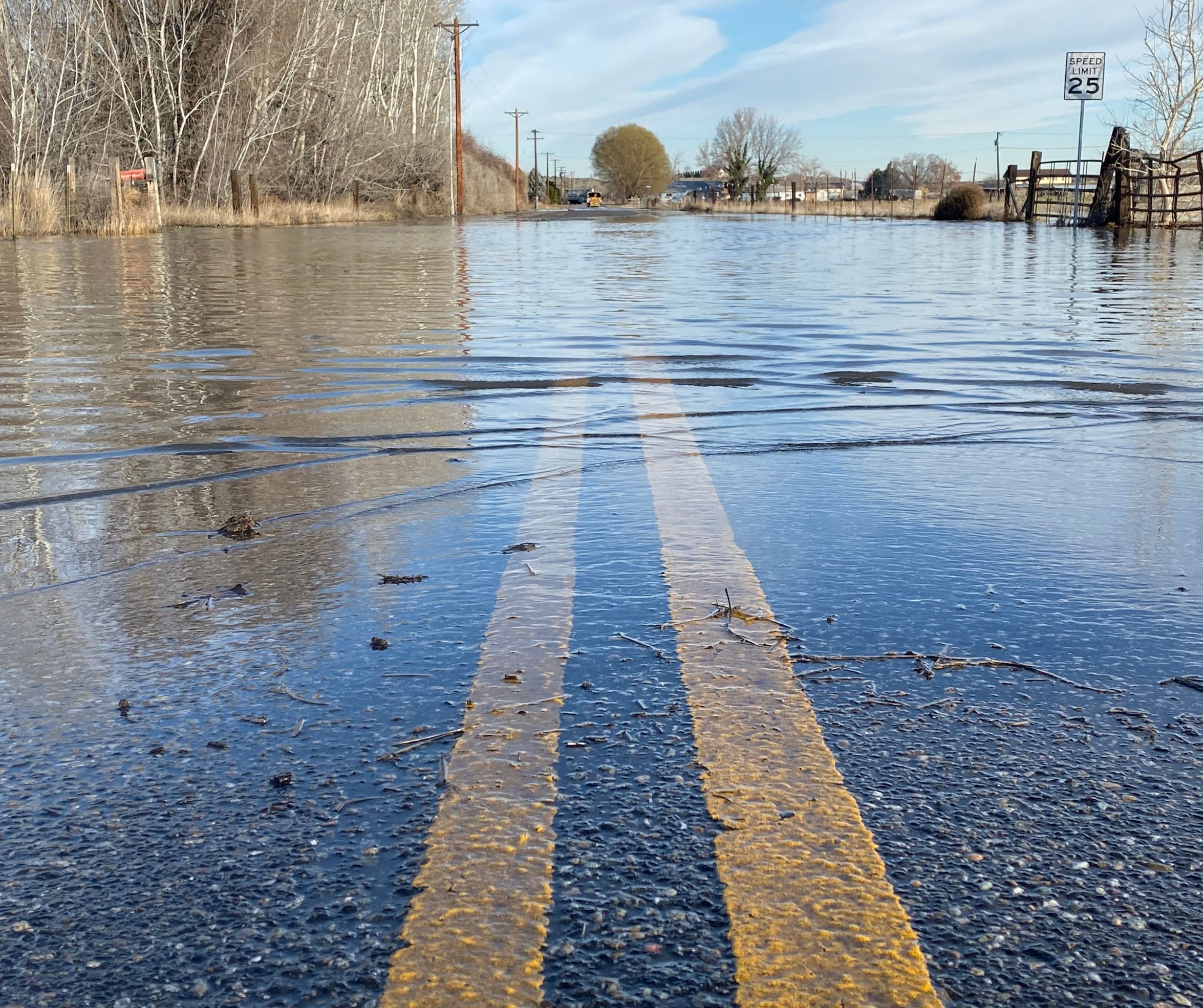
Western Washington continues to cope with historic flooding that has disrupted lives, closed roads, and led to evacuations across many communities. At the same time, winter weather is still active — and many households are preparing for snow and colder conditions ahead. Recent flooding has had a broad impact from King County to Skagit and beyond, with emergency crews and volunteers working around the clock. KOMO+1
This newsletter is designed to help neighbors stay safe and informed, connect people to where they can get help, and share ways to support others in need.
What’s Happening Now
Recent storms brought record rainfall and flooding in parts of Western Washington. In some areas, levee failures triggered evacuation orders, and emergency shelters are open to support displaced families. Axios
Local nonprofit and government groups are actively responding, offering food, supplies, clean-up kits, shelter, and disaster relief services. Red Cross
Where to Get Help
If you or someone you know has been affected by the flooding, here are trusted resources:
Community Support & Emergency Services
-
WA 211: Call 2-1-1 or visit wa211.org to connect with shelters, food resources, housing help, utility assistance, and more. This is a free, statewide support line with up-to-date local resources. WA 211
-
American Red Cross: Disaster relief including shelter, food, and supplies — call 1-800-RED-CROSS, text REDCROSS to 90999, or visit redcross.org. Red Cross
-
Snohomish County Resource Guide: Listings for food, housing support, and contact numbers for community resource centers across the region. Snohomish County
-
Combined Fund Drive Disaster Relief: State-run portal to support verified local charities helping flood-impacted families. Donate or learn more at give.wa.gov/events/?2025-wa-state-floods. WA Secretary of State
-
FEMA & Disaster Assistance: If a federal disaster declaration is in place, residents may be eligible for temporary housing help, repair grants, and low-interest loans. (Check fema.gov for details.) Redfin
Winter Weather & Snow Prep Tips
Even as flood waters recede, winter conditions remain a concern:
-
Watch forecasts for rain, wind, and snow — especially if you travel through mountain passes.
-
Prepare an emergency kit with water, non-perishable food, medications, blankets, and flashlights.
-
Stay tuned to local alerts via WA State Alerts and county emergency systems. Seattle Metropolitan Chamber of Commerce
If you’re starting cleanup at home after flooding, be mindful of slippery conditions, power lines, and debris. Only return when officials say it’s safe.
How You Can Help Your Community
People want to pitch in — here are ways to do it effectively and safely:
Volunteering & Local Help
-
Serve Washington: Connects volunteers with trusted organizations needing support on the ground. (Visit servewashington.wa.gov.) KC Emergency
-
American Red Cross Volunteers: Join disaster relief teams helping with shelters, food distribution, and logistical support. Red Cross
-
Sandbagging & Street Cleanup Efforts: Neighborhood groups often organize efforts — check local community boards or municipal sites for scheduled events. (Some cities offer “Adopt-a-Storm-Drain” volunteer programs to keep storm drains clear during wet weather.) Reddit
-
Community Centers & Food Banks: Local food banks and community resource centers are welcoming donations of food, gift cards for groceries or hardware stores, winter clothing, and volunteer time — especially to help families getting back on their feet.
Donate Thoughtfully
If you plan to give financially:
-
Use Give.wa.gov disaster relief portals to support verified charities. WA Secretary of State
-
Consider direct support to local shelters or nonprofit groups serving flood-impacted families.
-
Avoid urgent/unverified fundraising requests; reputable organizations will share clear details on how contributions are used.
🤝 Community Matters
Neighbors helping neighbors is what makes our communities resilient. Whether it’s a meal drop-off, clearing debris, checking in on someone who lives alone, or volunteering at a local shelter, every bit of help counts.
Stay safe, stay warm, and let’s support each other through recovery and the winter ahead.